Views: 983 Author: Site Editor Publish Time: 2026-09-18 Origin: Site

The logistical bottleneck of residential hardscaping and earthmoving projects often comes down to a few inches of clearance at the property line. Moving heavy materials manually drains labor budgets and destroys project timelines. Transporting 25 cubic yards of topsoil or heavy retaining wall blocks by hand causes severe physical fatigue and slows down site progress. Standard heavy equipment cannot bypass typical 32-inch to 36-inch residential gates without requiring fence dismantling.
As property lines shrink and outdoor living projects grow more complex, equipment strategies must change. Both DIY homeowners and hardscaping contractors are shifting away from open-area sit-down loaders toward confined-space solutions. Determining if a skid steer loader is viable requires evaluating exact gate clearances, attachment pivot paths, rental availability, power requirements, and site-specific operational risks. You must look past basic manufacturer spec sheets and analyze the physical realities of the job site.
Strict Width Thresholds: While standard skid steers require 50+ inches of clearance, specialized stand-on mini skid steers are engineered to squeeze through 32-inch to 36-inch residential gates.
Attachment Overhang Risks: A machine's chassis may fit through a gate, but loaded buckets, augers, or pallet forks drastically alter the required turning radius and pivot path.
Power vs. Footprint Trade-offs: Selecting between a diesel compact loader and a gasoline compact loader dictates not only the machine's physical dimensions but also its breakout force and suitability for continuous heavy-duty cycles.
Site Remediation Costs: Utilizing tracked or wheeled loaders in confined backyards introduces ground disturbance risks that must be factored into the overall project ROI.
Standard residential single gates typically measure 36 inches, 42 inches, or 48 inches wide. Older properties or side-yard utility gates may be as narrow as 32 inches. You cannot rely on visual estimates when planning heavy equipment access. A gate that appears wide enough often hides subtle obstructions that will stop a machine in its tracks.
Instruct your crew to measure the absolute narrowest point of the entryways. You must account for hinge hardware, latch protrusions, and decorative ironwork. These elements frequently reduce the actual passing width by two to three inches. You must also evaluate the ground directly beneath the gate. Uneven ground tracks, exposed roots, or concrete lips can tilt the machine during entry. A slight lateral tilt effectively widens the machine's profile, causing the upper chassis to scrape against the fence posts even if the tracks clear the bottom.
Follow this strict measurement protocol before reserving any equipment:
Measure the distance between the gate posts at ground level.
Measure the distance between the posts at waist height, accounting for the latch mechanism.
Measure the distance at the top of the posts to check for leaning or inward bowing.
Place a level on the ground across the threshold to identify any slope that might cause the machine to lean during transit.
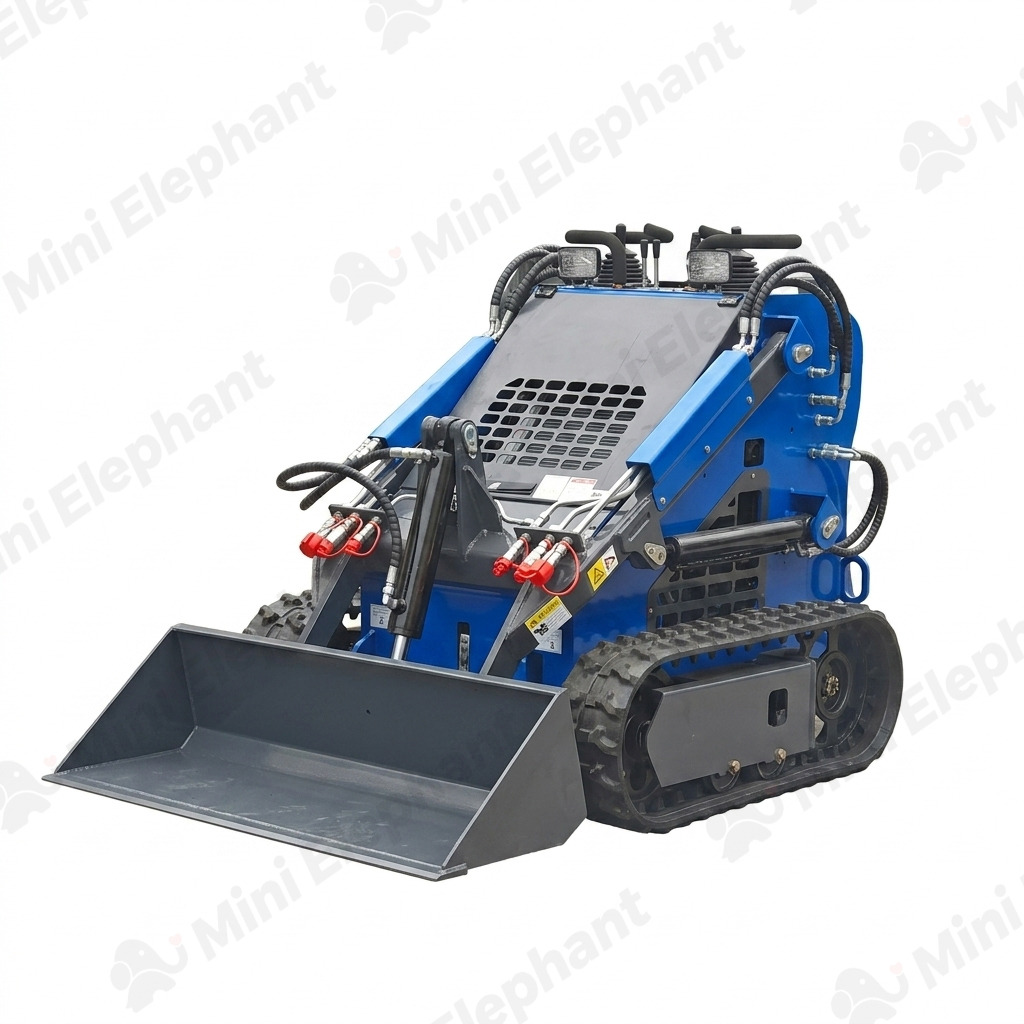
Understanding equipment terminology prevents costly rental mistakes. Stand-On Mini Track Loaders (MTLs) and Compact Utility Loaders (CULs) dominate the confined-space market. Many regional rental yards refer to these interchangeably as skip loaders or mini loaders. These machines typically range from 31.5 inches to 36 inches wide. Manufacturers design them specifically for gated access. They utilize a narrow track base and a vertical lift path to maintain a slim profile.
Conversely, sit-down compact loaders represent a completely different size class. These machines generally start at 44 to 50 inches wide. They feature enclosed cabs, wider wheelbases, and heavier counterweights. These rarely fit through single pedestrian gates without fence removal. Attempting to force a sit-down unit through a standard residential gate will result in severe property damage.
Machine Classification | Average Width Range | Typical Lift Capacity | Gate Compatibility |
|---|---|---|---|
Stand-On Mini Track Loader | 31.5" - 36" | 500 - 1,000 lbs | Fits standard 36" single gates |
Walk-Behind Mini Loader | 33" - 36" | 400 - 800 lbs | Fits standard 36" single gates |
Small Sit-Down Skid Steer | 44" - 50" | 1,200 - 1,500 lbs | Requires double gates (48"+) |
Standard Sit-Down Skid Steer | 60" - 72" | 1,750 - 3,000 lbs | Requires fence panel removal |
Stand-on configurations offer massive visibility advantages when navigating tight side-yards. The operator stands at the rear of the machine, looking directly over the attachment. This elevated, open-air vantage point allows you to see the exact position of the tracks. You can easily avoid structural damage to residential siding, brickwork, or fragile HVAC units. Stand-on units also allow the operator to step off the machine instantly to check clearances, move obstacles, or communicate with the ground crew.
You must also assess operator fatigue and safety protocols for multi-day earthmoving projects. Sit-down machines provide a comfortable seat and climate control, which reduces physical strain during long shifts. Stand-on platforms absorb shock through a suspended footplate, but operating them for eight straight hours requires physical stamina. Operators must brace themselves against the machine's movements, which can lead to lower back and leg fatigue on rough terrain. If the job requires constant mounting and dismounting to adjust attachments or check grade, the stand-on configuration saves significant time and effort.
Selecting the correct power plant dictates how the machine performs under stress. A gasoline compact loader features a lower initial cost and a lighter operating weight. This reduced weight minimizes ground pressure, protecting delicate turf and hardscaping. Gasoline engines also provide easier cold-weather starting without the need for block heaters. These machines work best for intermittent use and lighter landscaping tasks, such as moving mulch, spreading decorative gravel, or grading loose topsoil.
A diesel compact loader operates on a different performance tier. Diesel engines generate higher torque at lower RPMs. This translates directly to aggressive digging power and superior breakout force. You get better fuel efficiency under heavy, continuous loads. The engine life of a diesel unit significantly outlasts a gasoline equivalent. You absolutely need diesel power for moving dense, wet materials like saturated clay. Diesel is also necessary for powering high-flow hydraulic attachments, such as heavy-duty trenchers or stump grinders, without stalling the engine when the attachment hits a buried rock or thick root system.
Sourcing ultra-narrow equipment presents a common logistical pain point. While 36-inch machines are standard at many rental yards, locating a true 31.5-inch or 32-inch machine requires effort. Big-box home improvement stores rarely stock commercial-grade, ultra-narrow units. You often need to contact specialized heavy equipment rental yards to find these specific dimensions.
Plan your equipment logistics weeks in advance. Call the rental yard and verify the exact machine width with a tape measure. Do not rely on generic website descriptions, as aftermarket tracks or modified buckets can alter the machine's width. Secure your reservation early, especially during peak spring and summer landscaping seasons. You must also verify your towing capacity. Even a mini loader with attachments and a dual-axle trailer can exceed 5,000 pounds, requiring a half-ton pickup truck equipped with a proper brake controller.
The geometry of a machine turning in a confined space dictates your operational success. These loaders utilize a zero-turn radius by counter-rotating their tracks. However, the machine's chassis is only part of the equation. You must account for the pivot path of the entire unit, including the operator platform at the rear and the attachment at the front.
Attachments drastically alter the required turning radius. A 36-inch bucket, extended pallet forks, or a front-mounted trencher increases the machine's overall footprint. The swing radius expands significantly. If you enter a narrow side-yard and attempt to turn 90 degrees, a long attachment acts like a battering ram against fences and house walls. You risk trapping the machine inside the gate if the yard lacks adequate turnaround space. Always calculate the swept path of the front attachment before committing to a tight turn.
Attachment Type | Impact on Machine Length | Turning Radius Risk Level |
|---|---|---|
Standard Dirt Bucket | Adds 24" - 30" to front | Low to Medium |
Pallet Forks (42") | Adds 42" - 48" to front | High (Requires wide swing path) |
Trencher Attachment | Adds 48" - 60" to front | Severe (Do not turn in narrow alleys) |
Post Hole Auger | Adds 24" (Hangs vertically) | Medium (Watch for swing during transit) |
Utilizing a single machine for multiple tasks justifies the rental cost over hiring single-purpose machines. The universal mounting plate allows rapid attachment changes. You can swap a standard dirt bucket for an auger bit in minutes to drill fence posts. You can drop the auger and attach a trencher to lay irrigation lines or underground electrical conduit.
This versatility eliminates the need to rent a separate walk-behind trencher or a two-man post-hole digger. You consolidate your equipment footprint, reduce delivery fees, and accelerate the project timeline. A multi-tool approach keeps the machine working continuously, maximizing your return on investment. When planning your project, sequence your tasks so you minimize the number of times you need to swap heavy attachments in the dirt.
Compare wheeled versus tracked configurations before starting your project. Tracked machines distribute their weight over a larger surface area. This reduces ground pressure and prevents the machine from sinking into soft, muddy soil. However, the aggressive rubber treads can tear up established turf during zero-radius turns. Wheeled machines maneuver easily on hard surfaces like concrete driveways but struggle in wet backyard conditions, often spinning out and creating deep ruts.
Implement a mitigation strategy to protect residential lawns. Lay down thick plywood sheets (3/4-inch CDX) or heavy-duty composite ground protection mats. These create a temporary roadway, dispersing the machine's weight and preventing deep ruts. Be aware that ground mats add one to two inches of height to the travel path. This slight elevation impacts the vertical clearance of the gate, potentially causing the operator's hands or the machine's control tower to strike the top crossbar.
Confined residential spaces present numerous hidden dangers. Identify overhead risks associated with low-hanging eaves, gutters, and tree branches. Watch for overhead utility wires that drape low across side-yards. The operator's head or the machine's lift arms can easily snag these lines, causing severe injury or property damage.
Subsurface hazards require equal attention. A heavy machine can crush buried irrigation lines, shallow PVC pipes, or landscape lighting wires upon entry. Identify the locations of septic tanks, drain fields, and underground utility vaults. Tracking a heavy loader over a septic lid will cause a catastrophic collapse. Mark all subsurface hazards with spray paint or flags before the machine arrives on site. Always call your local utility locating service (811) a few days before digging or tracking heavy equipment across a residential yard.
High-volume earthmoving demands serious mechanical capability. You must calculate payload capacity before selecting a machine. Moving 25 cubic yards of topsoil requires a machine with an adequate tipping load and breakout force. If your loader can only handle 300 pounds per pass, moving massive dirt piles becomes a tedious, days-long chore.
A diesel skid steer loader is often the standard for hardscaping contractors dealing with dense materials. Retaining wall blocks, wet clay, and concrete rubble require sustained hydraulic power. Diesel engines maintain torque under heavy hydraulic loads without stalling. They provide the necessary breakout force to pry up compacted soil or lift heavy pallets of pavers directly off a delivery truck.
Material Type | Approximate Weight per Cubic Yard | Required Machine Capability |
|---|---|---|
Dry Topsoil | 2,000 lbs | Standard Mini Loader (Multiple trips) |
Wet/Compacted Clay | 3,000 lbs | Diesel Mini Loader (High breakout force) |
Gravel / Crushed Stone | 2,400 - 2,900 lbs | Diesel Mini Loader (High lift capacity) |
Broken Concrete Rubble | 4,000 lbs | Full-Size Loader (Requires fence removal) |
Operating heavy machinery in dense residential neighborhoods introduces compliance challenges. Address the realities of noise ordinances. Diesel engines run louder than their gasoline counterparts. Check local municipal codes regarding acceptable hours of operation for heavy equipment to avoid neighbor complaints and potential fines.
Exhaust ventilation poses a serious risk in walled-in yards. High fences and dense foliage trap diesel fumes, creating a toxic environment for the operator and ground crew. Modern machines equipped with Tier 4 Final emission standards help reduce particulate matter and noxious exhaust. Ensure your machine operates in a well-ventilated space and shut down the engine during extended pauses to minimize emissions and noise pollution.
When gates are strictly under 32 inches, you must explore alternative material handling solutions. Tracked mud buggies serve as a high-capacity alternative for material transport. These motorized wheelbarrows feature narrow profiles and aggressive tracks, allowing them to navigate 30-inch gaps easily. They feature a dump tub that can hold up to 16 cubic feet of material.
While buggies excel at moving topsoil, gravel, and wet concrete, they have strict limitations. They lack the hydraulic lifting capabilities of a loader. You cannot use a buggy to load material into a dump truck or lift pallets. They also lack multi-tool versatility. Finding a tracked buggy in local rental markets can sometimes be just as difficult as sourcing an ultra-narrow loader.
Micro excavators offer another solution for extremely tight access points. Many 1-ton excavators feature retractable undercarriages. The operator can pull a lever to retract the tracks inward, narrowing the machine's width to just 28 inches. This allows the excavator to pass through standard doorways and narrow garden gates.
Once inside the work area, the operator expands the tracks back out to their full width. This provides a stable, wide footprint for digging footings, trenching utility lines, or removing stumps. While they do not move bulk material across a yard as efficiently as a loader, they provide unmatched digging power in confined spaces.
Sometimes, forcing small equipment into a massive job makes no financial sense. You must calculate the total labor hours required to move 50 cubic yards of material with a micro machine. Compare that labor cost against the expense of temporarily removing a fence section to allow a larger machine onto the property.
Removing a standard wooden fence panel usually takes two workers less than an hour. You unscrew the brackets, lift the panel out, and set it aside. Once removed, you gain access for a full-sized loader. A larger machine moves material three times faster, drastically reducing overall labor hours. For extensive hardscaping projects, the cost of fence removal and replacement is often significantly lower than the extended rental fees and labor costs associated with undersized equipment.
Measure your gate at the top, middle, and bottom to find the absolute narrowest clearance point before reserving any equipment.
Calculate the total weight and volume of your project materials to determine the required tipping load and breakout force.
Map out all underground utilities, sprinkler lines, and septic tanks before scheduling the equipment delivery.
Reserve a machine with a chassis width at least two inches narrower than your tightest access point to account for uneven ground.
Lay down 3/4-inch plywood or composite ground mats to protect established turf from aggressive track treads.
A: The narrowest stand-on mini track loaders are approximately 31.5 inches wide. Manufacturers design these specific models to navigate through older, 32-inch residential side gates without requiring fence modifications.
A: "Bobcat" is a brand name, not a machine type. Their MT series mini track loaders will fit through a 36-inch gate. However, their standard sit-down skid steers are too wide and will not fit.
A: A gas model is sufficient for moving mulch, spreading light dirt, and intermittent use. A diesel model is required for heavy excavation, concrete removal, moving wet clay, and running high-flow hydraulic attachments.
A: Sub-36-inch machines typically feature a standard operating capacity ranging between 500 to 1,000 pounds. Always check the specific machine's tipping load before attempting to lift heavy pallets or retaining wall blocks.
A: Using a 36-inch bucket on a 36-inch gate creates a zero-margin clearance risk. We recommend using a bucket slightly narrower than the gate, or angling the bucket during entry if the machine chassis is narrower.
A: Yes, for large projects exceeding 50 cubic yards of material. Removing a fence panel allows access for a full-sized machine. This drastically reduces labor hours and often provides a better ROI than renting smaller, less efficient equipment.